Learning Outcomes
i. Define the concept of negative feedback in hormonal regulation.
ii. Understand the roles of insulin and glucagon in regulating blood sugar levels.
iii. Explain how the negative feedback mechanism maintains homeostasis in the body.
i. Concept of Negative Feedback
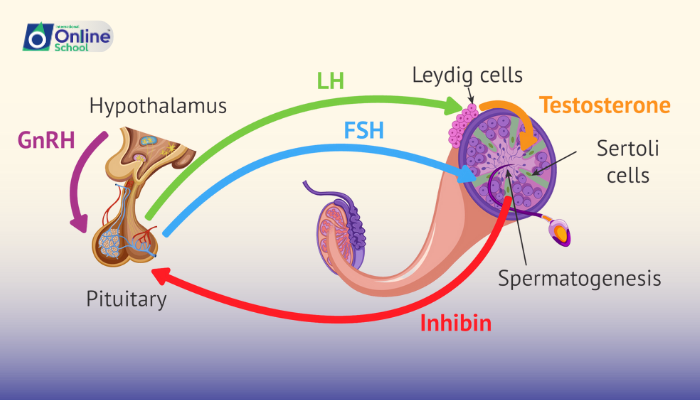
Negative Feedback: A regulatory mechanism in which a stimulus causes an opposite output in order to maintain an ideal level of whatever is being regulated. This process is essential for maintaining homeostasis within the body.
ii. Roles of Insulin and Glucagon
Insulin: Produced by the beta cells of the pancreas, insulin lowers blood glucose levels by facilitating the uptake of glucose into cells for energy production and storing excess glucose as glycogen in the liver and muscles.
Glucagon: Produced by the alpha cells of the pancreas, glucagon raises blood glucose levels by stimulating the conversion of stored glycogen back into glucose in the liver and releasing it into the bloodstream.
iii. Maintenance of Homeostasis
Blood Sugar Regulation: After a meal, increased glucose levels trigger the release of insulin, which helps lower glucose by enhancing its absorption and storage. Conversely, when blood glucose levels drop, glucagon is released to increase blood glucose.
Negative Feedback Loop: The use of these hormones in response to changing blood glucose levels exemplifies the negative feedback loop. High blood glucose levels trigger insulin release to lower the glucose, while low levels trigger glucagon release to increase it.
Balance: This constant balancing act ensures that the body's cells have a steady supply of glucose for energy while preventing the potential damage of too high or too low blood sugar levels.
In conclusion, the negative feedback mechanism involving insulin and glucagon is a fundamental process that maintains homeostasis of blood sugar levels in the body. This system ensures that glucose levels remain within a narrow range, preventing the adverse effects of hyperglycemia and hypoglycemia. Understanding this mechanism is crucial for comprehending how the body maintains its internal environment and responds to physiological needs.
